How to Choose the Right Dune Buggy for a Dubai Desert Adventure
Choosing a dune buggy in Dubai is less about picking the loudest vehicle and more about matching the machine, the route and the safety setup to the kind of day you want. The desert looks open and simple from a distance, but sand dune terrain changes the way an off-road vehicle behaves. A good choice makes the ride smoother, safer and far more enjoyable.
Start by being clear about what you want from the experience. Some riders want a short, energetic drive with quick turns and plenty of noise. Others prefer a steadier outing that includes a desert safari, a sunset tour or time in the dunes with family. Your purpose shapes the type of buggy, the route and the level of guidance you should look for. A vehicle that suits a solo rider on open dunes may not be the best fit for a group or a first timer.
Decide what kind of ride you want
Think about pace before you think about power. A dune buggy dubai experience can feel very different depending on whether the route is gentle, rolling or steep. Steeper dunes demand more control and a calmer driving style. If you want views, photography and a relaxed rhythm, a shorter route with fewer sharp climbs may suit you better than a high speed circuit.
Also consider who is going. Children, less confident riders and people who dislike dust may need a different setup from experienced drivers. If the outing includes a quad bike segment or dune bashing in a separate vehicle, check how the activities are organised and whether there is a clear briefing before anyone drives. The right choice should feel comfortable before the engine starts, not only once you are already out in the sand.
While comparing options, keep the brand name separate from the practical details. The Camel Desert Safari Dubai official site can be one reference point, but the decision still comes down to fit, safety and clear information. Avoid choosing only because a name sounds familiar. Look at what is actually offered and whether the details are easy to understand.

Match the buggy to the driver
The next step is to match the vehicle to the person driving it. Buggies vary in size, seat layout, power and control style. A two seat vehicle may suit a pair who want to share the drive, while a single seat option can feel more direct and responsive. Before committing, ask whether driving experience is needed and whether instructions are given in a way that is easy to follow.
Do not assume that more power is always better. Extra power can be useful on soft sand, but it also rewards rough steering and late braking. Newer riders often do better in a vehicle that responds predictably and does not surge suddenly. Watch for clear throttle response, straightforward steering and a seating position that lets the driver see ahead without leaning or straining.
Height and body comfort matter too. A driver who cannot reach the controls easily will tire quickly and may react slowly. Ask about seat adjustment, pedal position and whether the vehicle has a roll structure. If the buggy has doors, check that they can be opened and closed cleanly. If it has a simple open frame, pay closer attention to posture, grip and protection from dust.
Check the safety setup before booking
Safety should be one of the first checks, not a last minute question. A proper safety helmet should be available and should fit well. It should sit level on the head, feel snug without painful pressure and stay in place when the head moves. A loose helmet can shift at the worst moment, while one that is too small can distract the rider throughout the drive.
Eye protection also deserves attention. Desert goggles help keep dust and sand away from the eyes, especially when several vehicles travel together. If you wear prescription glasses, check whether the goggles can fit over them or whether another practical option is available. Sun glare can be strong, so clear vision is part of staying in control.
Ask what safety briefing is given before the ride. A useful briefing explains hand signals, following distance, what to do if the group stops and how to behave on dunes. It should also explain what riders should avoid, such as sudden turns on a slope or stopping in a place where others cannot see them. Mechanical work, brake faults and anything involving the engine should be left to a qualified professional. Riders should not try to adjust or repair mechanical parts during an outing.
Read the route and timing carefully
The route matters as much as the vehicle. Ask whether the drive is on open desert, marked tracks or a mixture of both. Open dunes can be beautiful, but they also require more skill and more awareness. Marked routes often feel more controlled and may suit riders who want a clear sense of direction. Either way, the route should be suited to the group rather than pushed beyond its ability.
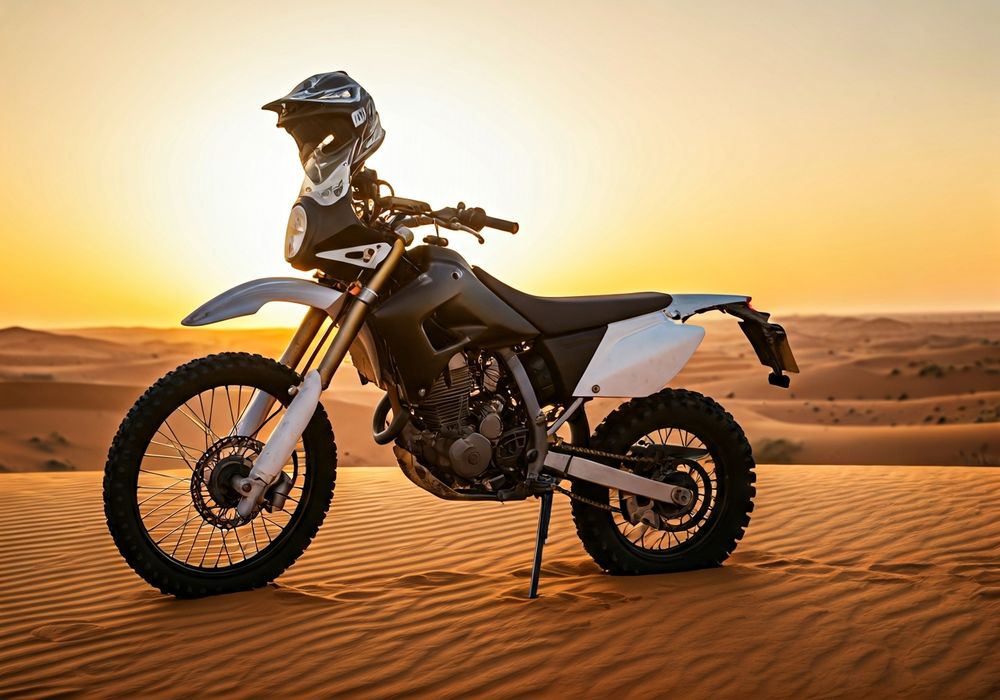
Timing changes the character of the trip. A daytime ride gives better visibility and makes the landscape easier to read. A sunset tour can be memorable, but light fades quickly and temperatures can drop after the sun goes down. If the ride ends near dusk, confirm how the group regroups and how riders find their way back. Clear timing helps avoid rushed decisions.
Also ask how long the driving portion lasts, separate from the total outing time. A long package may include other activities, but that does not mean you spend a long time behind the wheel. Knowing the split helps you judge whether the experience matches your energy level and expectations. The Camel Desert Safari Dubai official site may be checked for general familiarity, but the practical route and timing details should still be confirmed before you choose.
Compare the full experience, not just the vehicle
A dune buggy outing is a package of small decisions. Transport to the desert, briefing, driving time, route, safety gear and the end of the trip all affect how the day feels. If one part is vague, the whole experience can feel disorganised. Clear answers are a good sign, even when the answer is simply that a detail depends on conditions.
Check what happens if plans change because of weather or desert conditions. Sand can be soft after wind or rain, and routes may need to be adjusted. A sensible plan allows for changes without putting riders in a difficult position. Be cautious of any description that promises an exact route or driving style regardless of conditions.
Group size is another practical point. A smaller group often feels calmer and gives riders more space. A larger group can feel lively, but it may also mean more waiting, more dust and tighter spacing between vehicles. If you prefer a relaxed pace, ask how the group is arranged and whether slower riders are pressured to keep up.
Look for clear rules and honest answers
Before making a final choice, ask direct questions and listen for clear responses. Good answers are specific without sounding rehearsed. Vague answers about safety, timing or route details are worth noticing. A reputable option will make expectations plain so that riders know what to wear, how to behave and what to do if they feel unsure.
- What driving experience is required, and is instruction provided at the start?
- Is a safety helmet provided, and how is the correct fit checked?
- What route is planned, and can it change because of sand or weather?
- How long is the actual driving time, not just the full outing?
- What rules apply to overtaking, stopping and keeping distance?
Pay attention to how those questions are handled. If the answer focuses only on speed, the choice may not suit a careful rider. If the answer explains control, spacing and preparation, the outing is more likely to feel organised. Confidence should come from knowing what will happen, not from being talked into something quickly.
Make the final choice with comfort in mind
Once you have compared the vehicle, route, timing and safety setup, choose the option that feels steady and understandable. A dune buggy dubai ride should be exciting, but it should not depend on guesswork. The best fit is usually the one that matches your experience, gives clear instructions and leaves room for the desert to be enjoyed rather than merely crossed.
On the day, wear comfortable clothes, secure loose items and listen carefully to the briefing. Keep a steady distance from other vehicles, avoid sudden moves on slopes and speak up if something feels unclear. A good choice is not only about the buggy itself. It is about selecting an experience where the vehicle, the route and the safety habits work together.